

Integrating Nitrogen Generators into Existing Industrial Systems
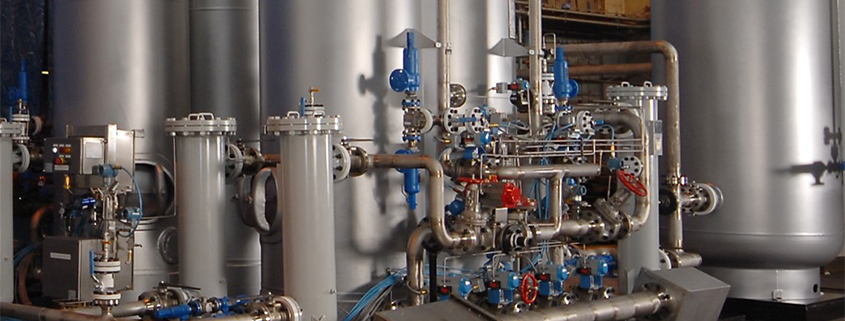
As industries continue to look for ways to reduce operating costs, improve reliability, and gain greater control over their processes, on-site nitrogen generation has become an increasingly attractive solution. While many facilities understand the benefits of nitrogen generators, a common question remains: How easily can a nitrogen generator be integrated into an existing industrial system?
The good news is that modern nitrogen generators are designed with flexibility in mind. With proper planning, integration can be smooth, efficient, and minimally disruptive—while delivering long-term operational advantages.
Why Integrate an On-Site Nitrogen Generator?
Traditionally, industrial nitrogen has been supplied via high-pressure cylinders or bulk liquid deliveries. While these methods work, they come with recurring costs, logistical challenges, and supply chain risks. Integrating an on-site nitrogen generator allows facilities to:
- Produce nitrogen on demand
- Eliminate delivery schedules and rental fees
- Improve workplace safety
- Gain consistent nitrogen purity and pressure
- Reduce long-term operating expenses
For facilities already using nitrogen in manufacturing, packaging, laser cutting, food processing, or chemical applications, integration is often a natural next step.
Evaluating Your Existing System
Before integration begins, it’s essential to assess how nitrogen is currently being used throughout your facility. This evaluation typically includes:
- Flow rate requirements (current and future demand)
- Required nitrogen purity levels
- Operating pressure needs
- Available space and utilities
- Compressed air capacity
Understanding these factors helps ensure the nitrogen generator is properly sized and configured to support your existing processes without interruption.
Seamless Connection to Existing Infrastructure
One of the biggest advantages of modern nitrogen generators is their ability to connect directly to existing plant infrastructure. In most cases, integration involves tying the generator into:
- Existing compressed air systems
- Nitrogen distribution piping
- Storage tanks or buffer vessels
- Control and monitoring systems
Because nitrogen generators operate continuously and automatically, they can often replace or supplement existing nitrogen supply methods during a phased transition—allowing production to continue uninterrupted.
Maintaining Purity, Pressure, and Performance
Industrial systems depend on consistency. When integrating a nitrogen generator, maintaining proper purity and pressure is critical. Advanced PSA (Pressure Swing Adsorption) nitrogen generators are engineered to deliver precise nitrogen specifications tailored to each application.
Integrated sensors and controls continuously monitor performance, automatically adjusting output to meet real-time demand. This ensures your downstream equipment receives the nitrogen it needs—without overproduction or waste.
Minimal Downtime During Installation
A common concern with any system upgrade is downtime. Fortunately, nitrogen generator integration can often be completed with minimal disruption. Many facilities choose to:
- Install the generator alongside existing supply systems
- Once the nitrogen generator is installed it can immediately start feeding nitrogen to your application.
Partnering with the Right Nitrogen Generation Expert
Successful integration depends on working with an experienced nitrogen generation partner. At On Site Gas Systems, integration goes beyond equipment delivery. Our team can assist in designing a solution tailored to your facility, and support installation, commissioning, and long-term performance.
For facilities looking to optimize operations and reduce dependency on external nitrogen suppliers, integration is not just feasible—it’s a strategic advantage!






Leave a Reply
Want to join the discussion?Feel free to contribute!