
How Nitrogen Generators Support Laser Cutting Applications
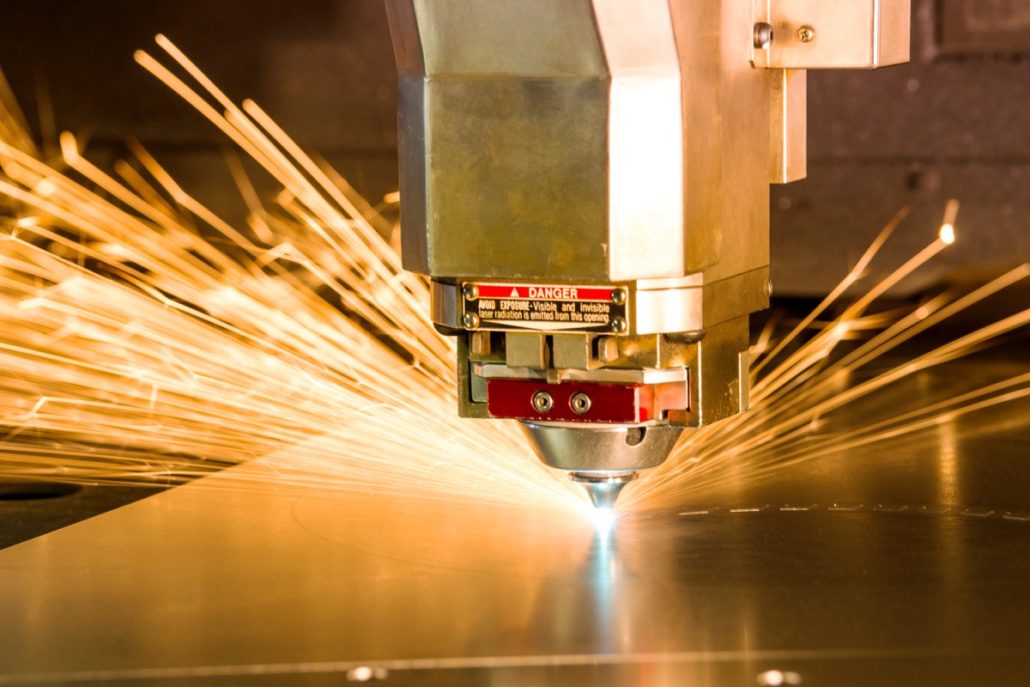
Laser cutting is one of the most precise and efficient manufacturing processes used today across metal fabrication, automotive, aerospace, and industrial manufacturing. Achieving clean, burr-free cuts with smooth edge finishes relies heavily on the continuous supply of high-purity assist gas. Among the various assist gases used in fiber and CO2 laser cutting, nitrogen gas plays a critical role in preventing oxidation, improving cut quality, and increasing processing speeds.
For high-volume metal fabricators and precision machine shops, relying on delivered nitrogen gas cylinders, liquid nitrogen Dewars, or bulk cryogenic storage tanks introduces high ongoing supply costs, storage challenges, and potential operational downtime. An on-site nitrogen generator allows manufacturing facilities to produce high-purity nitrogen gas on demand directly from compressed atmospheric air, significantly reducing operating expenses while providing total control over gas availability.
At On Site Gas Systems, we design and manufacture high-efficiency nitrogen generation systems specifically engineered to meet the demanding flow rate, pressure, and purity requirements of modern laser cutting equipment. Here is how nitrogen generators support laser cutting applications, the key benefits they provide to metal fabricators, and why more manufacturers are making the switch to on-site gas generation.
Why Is Nitrogen Gas Used in Laser Cutting?
During the laser cutting process, a high-power laser beam melts or vaporizes metal along a programmed cutting path. An assist gas is simultaneously injected through a high-pressure nozzle adjacent to the beam to blow molten metal out of the kerf (the cut gap) and protect the focusing optics from debris.
There are two primary types of assist gases used in metal cutting: reactive gas (typically oxygen) and non-reactive/inert gas (nitrogen):
- Oxygen Assist Cutting (Exothermic): Oxygen reacts exothermically with the molten carbon steel, generating additional heat that aids cutting. However, this reaction forms a heavy iron oxide (rust) scale along the cut edge, which requires secondary cleaning or grinding before the part can be painted, powder coated, or welded.
- Nitrogen Assist Cutting (Inert / Clean Cut): Nitrogen acts as an inert blanket, shielding the hot metal from oxygen in ambient air. Because nitrogen does not chemically react with the metal, it prevents oxidation and discoloration, resulting in a clean, mirror-smooth metallic edge ready for immediate downstream processing.
Nitrogen assist gas is widely used when cutting key materials, including:
- Stainless Steel: Prevents chromium oxide formation, maintaining corrosion resistance along cut edges.
- Aluminum & Aluminum Alloys: Prevents aluminum oxide scale and produces smooth, burr-free edges.
- Mild / Carbon Steel: Provides oxidation-free edges for structural parts that require immediate welding or high-adhesion powder coating.
- Titanium & Exotic Alloys: Prevents brittle oxide formation in high-specification aerospace and medical components.
1. Prevents Oxidation and Improves Cut Edge Quality
The primary benefit of using nitrogen assist gas in laser cutting is the prevention of edge oxidation. When hot metal is exposed to atmospheric oxygen during laser melting, it reacts instantly to form an oxide layer along the cut surface.
In stainless steel fabrication, oxidation creates a dark, rough edge and degrades the material’s natural corrosion resistance. If painted or powder coated, the oxide scale can flake off over time, causing premature coating failure.
By flooding the kerf with high-purity nitrogen (typically 99.9% to 99.999%), nitrogen displaces oxygen from the cutting zone. The resulting cut features:
- Bright, Metallic Edge Finish: Clean, burr-free edges that require no secondary deburring, grinding, or acid washing.
- Superior Paint & Powder Coat Adhesion: Paint and protective coatings adhere directly to the bare metal without risk of flaking.
- Weld-Ready Edge Preparation: Parts can move directly from the laser bed to welding stations without requiring edge prep.
2. Significantly Increases Laser Cutting Speeds
In addition to edge quality, high-pressure nitrogen assist gas allows laser operators to achieve significantly higher cutting speeds, particularly on thin-to-medium gauge sheet metal.
Because modern high-power fiber lasers (ranging from 4kW up to 30kW+) deliver immense energy density, the cutting process is no longer limited by heat input. Instead, cutting speed depends on how rapidly molten metal can be ejected from the cut zone.
Nitrogen assist systems deliver high-pressure gas (typically 200 to 400 PSI / 14 to 28 bar) through specialized nozzles to instantly blow molten material away. When cutting stainless steel and aluminum up to 3/8 inch (10mm) thick, nitrogen assist gas can increase cutting speeds by 200% to 400% compared to traditional oxygen cutting, dramatically increasing overall shop productivity.
3. Eliminates Ongoing Gas Delivery Logistics and Downtime
Laser cutting applications consume large volumes of high-pressure nitrogen gas. Metal fabrication shops that rely on delivered nitrogen cylinders, liquid Dewars, or cryogenic bulk tanks face ongoing operational bottlenecks:
- Cylinder Swaps & Interrupted Production: High-power lasers can empty standard high-pressure nitrogen bottles or Dewars in hours, requiring frequent cylinder changeouts and operator downtime.
- Delivery Schedules & Weather Delays: Depending on third-party gas suppliers leaves facilities vulnerable to road delays, delivery shortfalls, and stockouts.
- Cryogenic Boil-Off Losses: Liquid nitrogen tanks continuously boil off and vent gas into the atmosphere when the laser is idle over weekends or holidays, resulting in wasted product.
- Safety Hazards: Moving heavy high-pressure gas cylinders and handling ultra-cold liquid nitrogen cryogenic containers creates workplace safety risks.
An on-site nitrogen generator converts compressed atmospheric air directly into high-purity nitrogen gas at the facility. This creates a continuous, automated gas supply that eliminates delivery schedules, bottle handling, and cryogenic boil-off losses.
4. Reduces Long-Term Assist Gas Operating Expenses
Assist gas represents one of the largest ongoing operating expenses in precision laser cutting operations. Delivered nitrogen gas pricing includes not only the gas itself, but also freight delivery charges, fuel surcharges, cylinder rental fees, hazardous material handling fees, and administrative invoice processing.
By producing nitrogen gas on site with an on-site nitrogen generator, metal fabricators can drastically reduce their cost per cubic foot of nitrogen.
The operating cost of an on-site system is primarily limited to the electrical power required to drive the air compressor and booster pump. For high-production shop environments operating multiple shifts, transitioning to on-site nitrogen generation routinely yields a full capital return on investment (ROI) within 12 to 18 months, leading to substantial long-term savings.
5. Allows Customizable Nitrogen Purity and Pressure Control
Different sheet metals and material thicknesses require different nitrogen gas specifications for optimal cutting performance:
- Thin Gauge Carbon Steel & Aluminum: Often cut efficiently using 99.5% to 99.9% nitrogen purity.
- High-Spec Stainless Steel & Aerospace Alloys: Require ultra-high purity (99.99% to 99.999%) to eliminate any micro-oxidation.
An on-site nitrogen generator can be customized and precisely tuned to supply the exact purity and pressure required by your specific laser equipment. Rather than paying a premium for one-size-fits-all delivered gas, operators can optimize gas generation to balance energy usage with target cut quality.
How On-Site PSA Nitrogen Generators Work for Laser Cutting
Pressure Swing Adsorption (PSA) technology is the industry standard for generating high-purity, high-pressure nitrogen gas for laser cutting applications.
The automated generation process follows these key steps:
- Step 1: Air Compression & Conditioning: Ambient atmospheric air is compressed, cooled, and processed through high-efficiency filtration to remove moisture, oil, and particulates.
- Step 2: Carbon Molecular Sieve (CMS) Separation: The clean compressed air enters a vessel packed with Carbon Molecular Sieve (CMS). Under pressure, oxygen and water molecules are selectively adsorbed into the porous CMS structure, while nitrogen molecules pass through uninhibited.
- Step 3: High-Purity Nitrogen Storage: The generated high-purity nitrogen gas (up to 99.999%) flows into a low-pressure buffer tank.
- Step 4: High-Pressure Boosting: A dedicated gas booster compressor pressurizes the nitrogen up to 300 to 450 PSI (20 to 30 bar) and stores it in high-pressure storage receivers, ready for instantaneous nozzle discharge at the laser cutting bed.
- Step 5: Regeneration Cycle: Dual CMS vessels alternate continuously—while one vessel generates nitrogen, the other depressurizes to vent adsorbed oxygen back to atmosphere, renewing the bed for uninterrupted production.
Selecting the Right Nitrogen Generator for Your Laser Cutting Bed
Choosing an optimal nitrogen generator requires evaluating your facility’s specific equipment and production requirements. Essential parameters include:
- Laser Wattage and Nozzle Sizing: Higher laser wattage (e.g., 12kW, 15kW, 20kW+) and larger cutting nozzle diameters require significantly higher peak nitrogen flow rates (SCFH or Nm³/h).
- Material Mix & Gauge Thickness: Cutting thicker stainless steel demands higher sustained operating pressures and nitrogen purity levels.
- Number of Lasers & Duty Cycles: Sizing the high-pressure gas storage receiver array to handle peak flow demands across multiple laser machines running simultaneously.
- Integrated High-Pressure Skid Design: Turnkey laser assist packages integrate the air compressor, dryer, PSA generator, gas booster, and high-pressure storage tanks onto a compact skid for fast installation.
Why Choose On Site Gas Systems for Laser Assist Applications?
For over 30 years, On Site Gas Systems has supplied heavy-duty, engineered nitrogen generation systems for demanding industrial manufacturing operations worldwide.
Our turnkey laser assist nitrogen systems feature:
- High-purity nitrogen production up to 99.999% for mirror-finish stainless steel cutting.
- High-pressure booster packages rated up to 450+ PSI to meet ultra-high-flow laser nozzles.
- Automated PLC controls with continuous purity monitoring and auto-purge capabilities.
- Proven reliability engineered to maximize laser bed uptime and cut quality.
Whether you operate a single precision fiber laser or a high-capacity contract metal fabrication plant, our application specialists can help evaluate your gas usage and design an on-site system tailored to your production goals.
Contact On Site Gas Systems today to speak with an assist gas specialist and request a custom quote for your laser cutting facility.



Leave a Reply
Want to join the discussion?Feel free to contribute!